What technologies power frictionless, checkout-free store experiences?
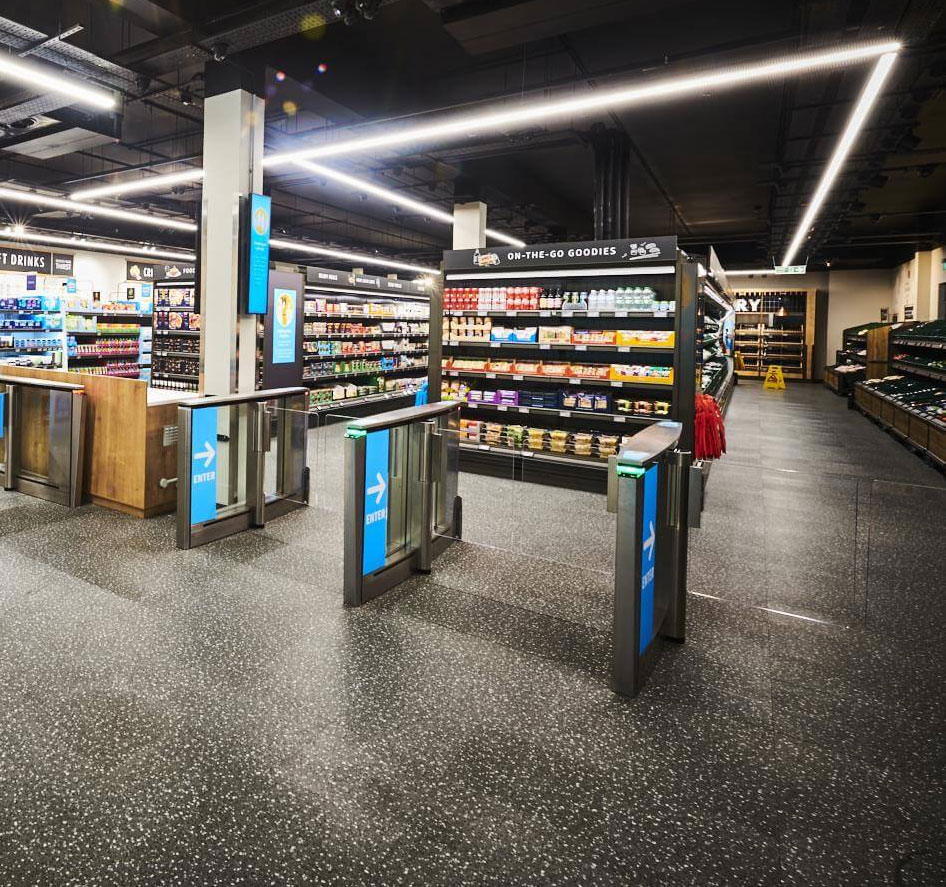
Frictionless store solutions typically combine computer vision, sensor technology, and artificial intelligence to identify products, track customer interactions, and enable automatic checkout. These technologies work together to allow customers to enter, select items, and leave the store without scanning or queuing.
Which store formats and use cases are best suited to checkout-free models?
Checkout-free solutions are well suited to environments with defined footprints and high customer throughput, such as convenience stores, travel hubs, workplaces, and hospitality settings. Feasibility depends on factors including store size, product range, basket behaviour, and operating hours.
How do frictionless solutions integrate with POS, inventory, and payment systems?
Successful frictionless deployments require seamless integration with existing POS platforms, inventory management systems, and payment providers. Integration ensures accurate pricing, real-time stock visibility, and consistent reporting, while enabling frictionless transactions to align with wider retail operations.
What operational challenges should retailers consider?
Operational accuracy is critical in checkout-free environments. Solutions must handle exceptions such as product substitutions, shared baskets, or returns, while maintaining high levels of accuracy and uptime. Effective store operations also rely on robust monitoring, support, and clearly defined processes for managing exceptions.
How are security, privacy, and data governance addressed in frictionless stores?
Security and trust are key adoption factors for checkout-free technology. Frictionless solutions are designed with strong data governance, privacy controls, and security measures to protect customer information and support compliance with relevant data protection regulations, helping retailers deploy these technologies responsibly.